Normandy Battlefield Tours


Small Group Tours

Self-Drive Tours
Battle Site Map
Book: "Stand Where They Fought"
Historic Markers and Visitors Center
Outstanding Websites Supplemental Reading

Normandy Today


Meeting Paratrooper Veterans

The German escape route

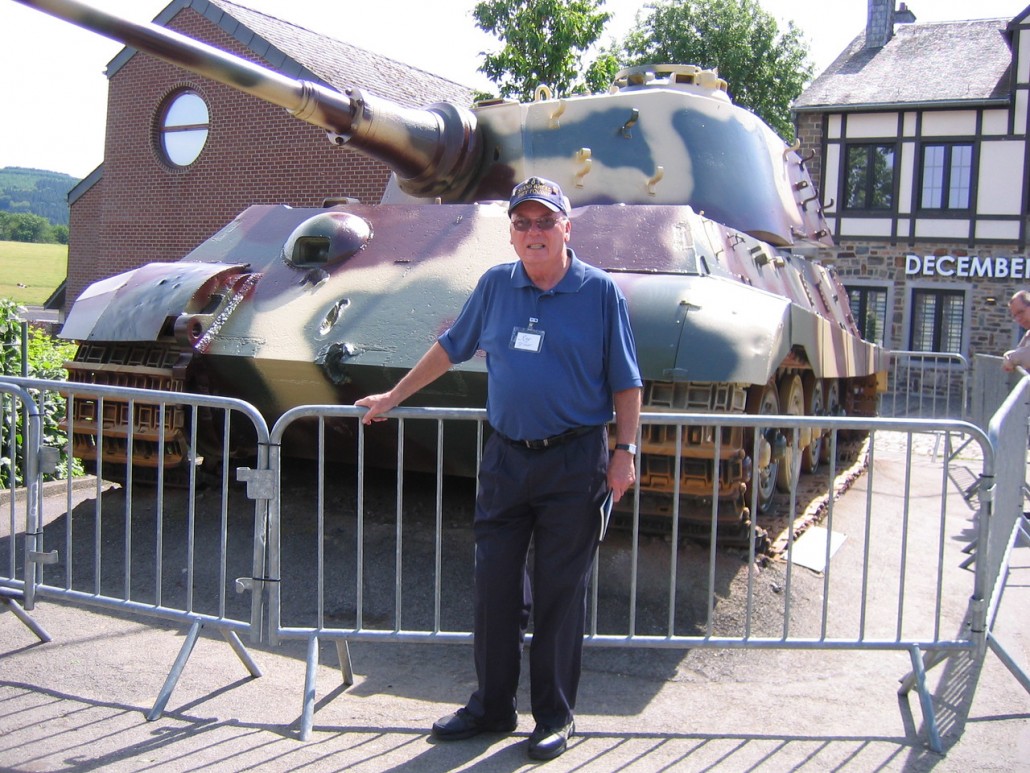
We hide a German Tiger tank

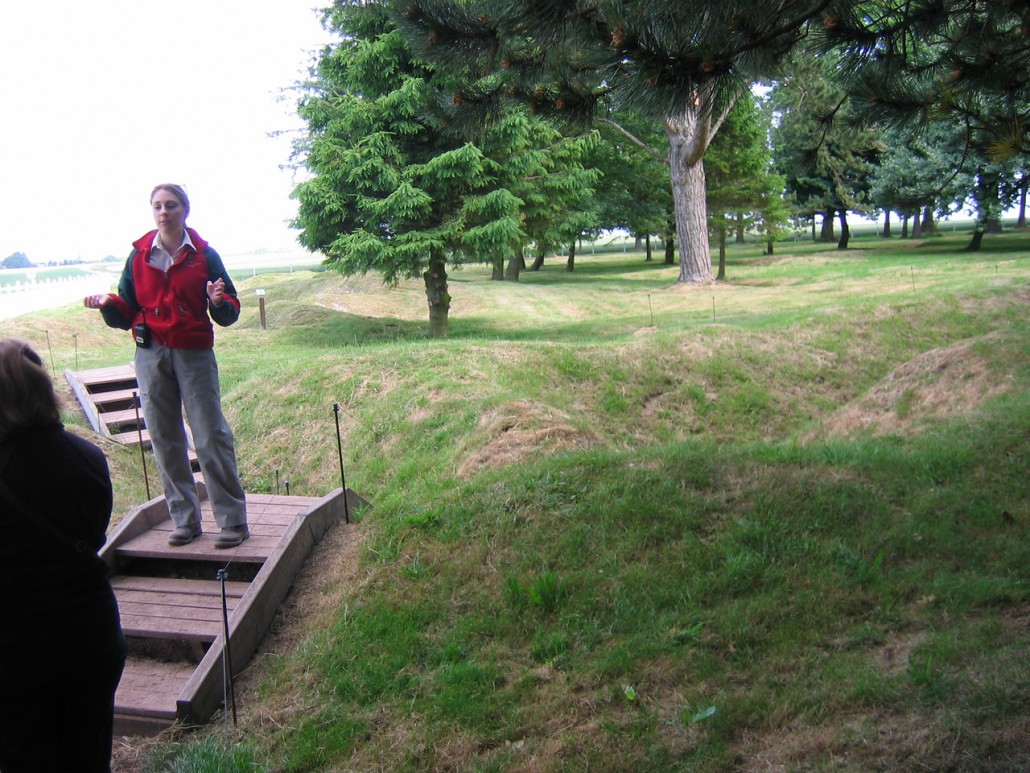
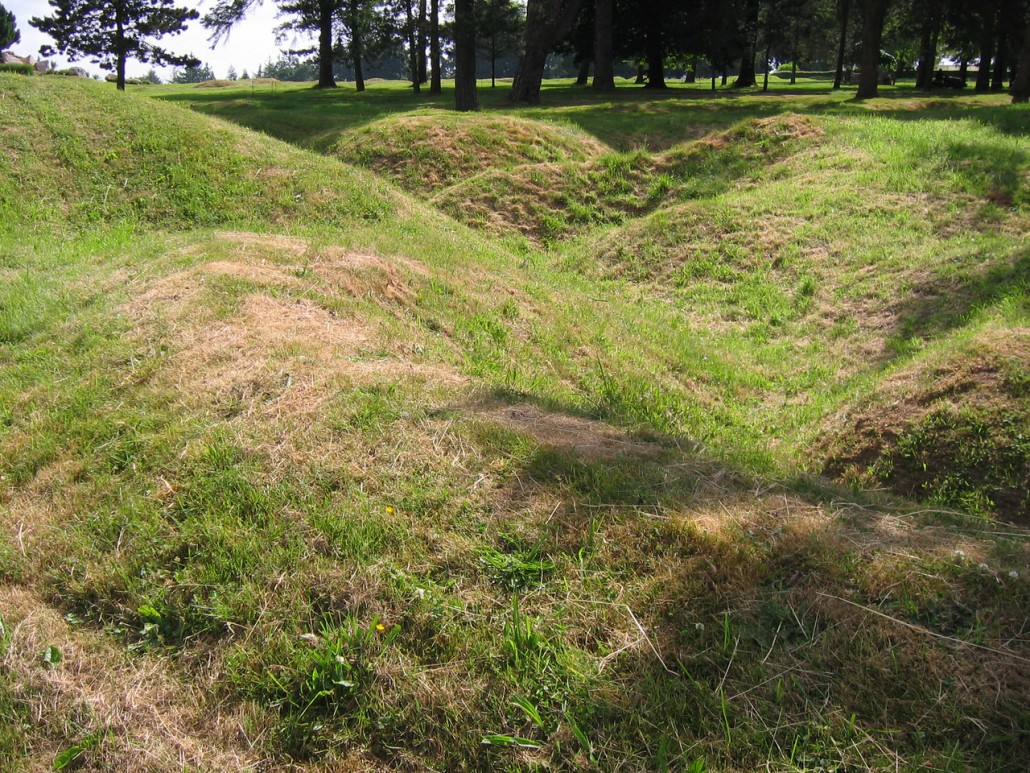
A rainy day in a German trench


Do Generals Sleep in Chateaus?

Generals Montgomery and Rommel were Field Marshals, equivalent to an American five star general. During the Normandy campaign Eisenhower was a four star general receiving his fifth star in December '44, prior to the German counterattack (The Battle of the Bulge)
.
Chateau Rochfoucauld
Normandy Tours

Field Marshal Erwin Rommel moved into the Chateau Rochfoucauld, located 40 miles north of Paris on the east side of the Seine River, in the small town of Roche Guyon, January, 1944, when he was assigned to command Army Group B to defend the French Coast against the anticipated allied invasion. The chateau faces west across the river backed by white chalk cliffs which the Germans hollowed out as barracks and anti aircraft gun emplacements capable of firing over the chateau's roof. The town with only 37 remaining residents harboring 950 German HQ staff and troops made it the most occupied town in France. The Duke, his family and servants were moved to the top floor. Was this a sensitive kindness for the owners to remain in their chateau or were they an assurance against allied air raids? Rommel occupied the 1st and 2nd floors behind the large French window frames. From the library, his office, he walked directly into the rose garden behind the balustrade. From here a three hour drive took him anywhere along the French coast line where he believed the allies would strike. On June 5th, he left early in the morning for Germany and his wife's birthday, June 6th. He hurriedly returned late D-day evening. He commuted daily to the Normandy fronts throughout June and July. On July 17th, at Vimoutier, 6:30 PM, returning from the front south of Caen, Rommel was wounded when his car was overtaken and strafed by two Spitfires. He never returned to the chateau. His replacement moved the headquarters closer to the battlefields. The British crossed the Seine River late August liberating Roche Guyon and its citizens. Now vacant, the chateau is an exhibition center, a place we visit on our way from Paris to Giverny (The artist Claude Monet's home and gardens) and Normandy

Chateau Creully
Normandy Tours

Field Marshal Bernard Law Montgomery landed with his HQ staff in Normandy shortly after D-day and occupied the Chateau Creully grounds, a Parisian summer residence The British had moved quickly inland on D-day over running the chateau's German occupants in a short and decisive fire fight in the garden woods to the right. The chateau became the VIP overnight guest house. Montgomery preferred to live in his truck caravan captured from a German general in North Africa. His van was parked along the gravel roadway under the three trees to the left of the chateau. The frontline was two miles south. Winston Churchill and King George V visited Montgomery here within two weeks of the landings. The English newspaper reporters, accompanying the king, were so explicit about Montgomery's location that German officers in Lisbon reading the English papers passed the information back through channels bringing German artillery fire down on the chateau grounds. Montgomery's HQ moved to Blay, south of Bayeux. Thereafter he saw few distracting visitors. The chateau is a summer residence once again and can be visited with private arrangements. Close by is the Creully Castle with its dominating tower from where Edward R. Morrow and Howard Marshall broadcast the battle news back to the States and the UK, respectively. Another fascinating place to visit.


Trianon Palace Hotel
Normandy Tours

General Dwight D. Eisenhower as Supreme Allied Commander had two levels of headquarters. There was SHAEF in England and a small Tactical HQ in Normandy.
Initially his July Tactical HQ was a group of tents and caravans in a field near Tournieres. A few miles away was an Army Air Corps Advanced Landing Ground that supported forward ground operations and provided air protection for the general as he flew to and from England. In August and September he occupied a small chateau at Jullonville looking south across the water to Mont St Michel. It was here that he sustained a knee injury when he and his pilot, Dick Underwood pushed his L-5 light reconnaisance aircraft through the sand to avoid the incoming tide. In the fall SHAEF HQ moved to the Paris suburb, Versailles, into the Trianon Palace Hotel on the grounds of the Versailles Palace. This exclusive hotel had witnessed the preparation of the Treaty of Versailles, in 1919, in the Clemenceau Ballroom. In the '20s and '30s the hotel hosted cinema celebrities and the industrial power brokers. Following the fall of France, in 1940, Air Marshal Herman Goering resided in the hotel. Adolf Hitler visited Goering here briefly. The Clemenceau Ballroom witnessed several the medal and award presentations to the German Lutwaffe heroes and aces of the Battle of Britain. In December, General Eisenhower and his staff were celebrating the marriage of a staff member in the Clemenceau Ballroom, the tactical map room at that time, when word arrived of the German counterattack through the Ardennes (the Bulge). Rumors that German parachutists had landed to assassinate the general abounded so the area was screened off with an armored division that subsequently also restricted the general's movements to the forward field headquarters for direct liaison with his commanders. In the spring of '45 SHAEF moved eastward and closer to the dynamically changing front lines. The Trianon Palalce Hotel returned to its previous grandeur with significant additions of rooms and health facilities. Our Normandy Tours always spend our last day and closing dinner here surrounded by nostalgia and luxurious history.

Normandytours@aol.com